Tuzla Airport Airport Transfer Options: Your Gateway to Northeastern Bosnia and Salt City
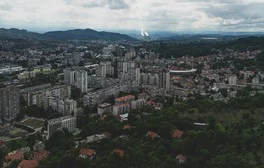
Tuzla Airport serves Bosnia's third-largest city and industrial heartland. This gateway welcomes visitors to authentic Tuzla with Pannonian Salt Lakes (Europe's only salt lakes), industrial heritage and mining traditions, proximity to Srebrenica memorial, Eastern Bosnia countryside, and gateway to authentic Bosnia beyond tourist trails. Located 15 kilometers south of Tuzla city center, the airport has grown significantly with low-cost carrier Wizz Air operations serving diaspora connections.
Popular Transfer Routes from Tuzla Airport Airport
Choose from our most popular transfer destinations:
Private transfers provide the ultimate convenience and comfort for traveling from Tuzla Airport Airport to your destination. Your professional driver will meet you at arrivals with a personalized sign, assist with your luggage, and transport you directly to your hotel in a modern, comfortable vehicle.
- Direct door-to-door service to any Tuzla destination
- No waiting or shared stops
- Professional Bosnian/English-speaking drivers
- Fixed, transparent pricing with no hidden fees
- Available 24/7 throughout the year
- Air-conditioned comfort
- Child seats and special requirements accommodated
- Drivers with excellent local knowledge
- Luxury vehicles available (Premium and First Class)
- Ideal for families and diaspora visitors
- Perfect for travelers with luggage
- Navigate to city efficiently
- Premium service at higher cost than taxi
- Advance booking recommended
- Night surcharges may apply (22:00-06:00)
JamTransfer specializes in premium Tuzla Airport airport transfers throughout Tuzla and eastern Bosnia.
Public bus service connects airport to Tuzla center.
- Affordable (3-5 KM / approximately €2-3)
- Operates coordinated with flights
- Local experience
- Journey time 25-35 minutes
- May not run for all flight times
- Challenging with luggage
- Limited late night service
Train service is not available from Tuzla Airport.
- Tuzla has railway station with limited connections
- NO direct train from airport
- Must take bus/taxi to station first
- Not practical for airport arrivals
Official taxis are available at designated airport ranks.
- No advance booking required
- Direct transport to any destination
- Available for immediate departure
- Affordable prices
- Approximately 20-30 KM (€10-15) to city center
- NEGOTIATE price before departure
- Some drivers may try to overcharge tourists
- Variable English proficiency
- 15km distance can vary with traffic
For guaranteed service with fixed pricing, book your Tuzla airport transfer online in advance through JamTransfer.
Car rental is available at Tuzla Airport Airport with local companies.
- Perfect for exploring eastern Bosnia
- Visit Srebrenica independently
- Freedom for countryside exploration
- Access to remote areas
- Cost-effective for groups
- Not needed for Tuzla city only
- City is compact and walkable
- Parking adequate
- Road quality varies in rural areas
- Some areas still have mine warnings
Hotel shuttles are offered by some Tuzla hotels.
- Available at some hotels
- Sometimes included in room rate
- Direct service to accommodation
- Must arrange in advance through hotel
- Limited to hotels offering service
- Limited departure times
- Often additional cost
- Not widely available
Why Choose JamTransfer for Your Tuzla Airport Airport Transfer?
At JamTransfer.com, we understand Bosnian hospitality:
- ✓ Personalized meet and greet at arrivals
- ✓ Professional drivers with Tuzla knowledge
- ✓ Bosnian and English-speaking drivers
- ✓ Fixed transparent pricing in euros
- ✓ 24/7 customer support
- ✓ Free cancellation up to 36 hours before
- ✓ Child seats available
- ✓ Comfortable air-conditioned vehicles
- ✓ Premium and First Class luxury options
- ✓ Service to all Tuzla areas and eastern Bosnia
- ✓ Local recommendations for salt lakes, Srebrenica
Special Considerations for Tuzla Airport Airport Transfers
Pannonian Salt Lakes - Unique Phenomenon: Tuzla's Pannonian Lakes (Panonska Jezera) are artificial lakes created by salt mine subsidence in the 20th century. When underground salt extraction caused ground to collapse, water filled the depressions, and the high salt content (30 grams per liter, similar to Dead Sea's 340 g/L) created unusual ecosystem. These are Europe's only salt lakes outside natural coastal formations.
Three connected lakes in city center form recreational complex with beaches, swimming areas, and promenades. The buoyancy effect from salt makes floating easy and entertaining for swimmers. Surrounding beaches bring crowds in summer (June-August) when Tuzla residents treat the lakes as seaside substitute. Water temperature reaches 24-26°C in peak summer, making swimming pleasant.
The lakes transformed from environmental disaster into city asset. In the 1990s they were polluted and neglected, but post-war investment created parks, fountains, and tourist infrastructure. The development shows Tuzla's resilience - turning industrial byproduct into attraction, much like the city itself reinvents after each historical setback.
Industrial Heritage and Salt Mining: Tuzla's name derives from Turkish 'tuz' (salt) - the city's defining resource for millennia. Archaeological evidence shows salt extraction from 3500 BC, making Tuzla among Europe's oldest continuously inhabited settlements. Ottoman rule (1463-1878) industrialized production, and Habsburg Austria-Hungary modernized it further with mechanical extraction.
The Mining Museum documents this history through equipment, photographs, and geological exhibits. Salt was currency, wealth generator, and strategic resource that made Tuzla valuable to every empire controlling the region. The tradition continues today though greatly reduced from peak production when mines employed thousands.
Industrial architecture defines Tuzla more than monuments. Smokestacks, factory buildings, workers' housing, and mining infrastructure create working-class cityscape. This isn't picturesque Mostar or grand Sarajevo - Tuzla is authentic industrial Bosnia where people work in factories, mines, and power plants. The aesthetic won't win tourism awards but provides honest glimpse of Bosnian reality.
War History and Srebrenica Proximity: Tuzla served as safe haven during 1992-95 war - held by Bosnian government forces throughout, becoming refuge for thousands fleeing ethnic cleansing elsewhere. The city's multiethnic character survived better than most Bosnian cities, though not without trauma. The May 25, 1995 shelling killed 71 young people gathered in Kapija square - Europe's worst mass killing of civilians in single attack during the war.
The Kapija memorial commemorates victims with plaques and eternal flame. Walking the square where teenagers died for enjoying spring evening creates visceral connection to war's senselessness. The memorial is understated compared to some war monuments, reflecting Tuzla's practical character - remember, mourn, move forward.
Srebrenica is 60km east - the site of 1995 genocide where over 8,000 Bosniak men and boys were massacred. The Srebrenica-Potočari Memorial and Cemetery allows day trips from Tuzla, though the emotional weight makes it challenging visit. The white marble gravestones stretching across hills present overwhelming visual evidence of genocide's scale. Visiting requires preparation for confronting recent atrocity's reality.
Multiethnic Character and Post-War Society: Tuzla maintained relatively integrated population through the war and after - Bosniaks, Croats, Serbs, and others coexist with less ethnic division than cities like Mostar or Brčko. This isn't utopian harmony but functional coexistence based on industrial working-class solidarity transcending ethnic nationalism's worst excesses.
The communist-era legacy shows in Tuzla stronger than elsewhere - trade unions remain active, workers' protests occur regularly, and socialist values persist in rhetoric and symbols. May Day celebrations here feel authentic working-class events rather than nostalgic communist theme parks. The industrial proletariat identity supersedes ethnicity more than in agricultural or commercial regions.
This working-class character means Tuzla lacks tourist polish. Services cater to locals not visitors, English is limited outside youth, and infrastructure prioritizes function over aesthetics. For travelers seeking authentic Bosnia beyond Mostar's commercialized bridge or Sarajevo's war-tourism complex, Tuzla offers unglamorous reality of post-industrial Balkan city surviving through resilience not heritage.
Day Trips and Region: Eastern Bosnia offers nature and history less visited than western Bosnia. Majevica mountain range (north) provides hiking and rural villages. Spreča River valley has monasteries and Ottoman bridges. Modrac Lake (30km south) offers swimming and fishing - another artificial lake from mining subsidence turned recreational.
Srebrenica (60km east) dominates any regional tourism, though visiting requires emotional preparation. Zvornik (80km northeast) sits on Drina River marking Serbian border - divided city where bridge separates entities. The region's war damage and depopulation remain visible in empty villages and unrepaired buildings.
Tuzla lacks grand attractions making curated itineraries. Instead it offers slice of everyday Bosnian life - people working, struggling, adapting. The salt lakes provide unique natural/unnatural phenomenon worth seeing. But mostly Tuzla appeals to those interested in post-industrial societies, working-class culture, and understanding Bosnia beyond tourist-marketed heritage and trauma.
Diaspora Hub and Connectivity: Tuzla Airport's growth stems from Wizz Air targeting Bosnian diaspora in Germany, Austria, and Scandinavia. Hundreds of thousands of Bosnians fled war and never returned, creating massive expatriate community sending remittances home and visiting periodically. Low-cost flights made Tuzla accessible alternative to Sarajevo, driving passenger numbers from nearly zero to half-million annually.
This diaspora connection shapes Tuzla's economy and character. Money sent from abroad sustains families, returned visitors bring Western standards expectations, and emigration continues as youth seek opportunities denied them in Bosnia's dysfunctional state. Walking Tuzla shows this - German car plates, Swedish phone numbers, conversations mixing Bosnian and foreign languages.
The airport itself is modest - one terminal, limited services, functional not fancy. But it represents connection to wider world for region otherwise isolated from Europe's prosperity. Every flight brings emotional reunions, remittances, and reminder that for many Bosnians, future lies abroad while heart remains home.
Practical Tuzla: Currency is convertible mark (KM) pegged to euro at 1.95:1. Prices are very affordable - meals €5-8, beer €1.50-2, hotels €25-50. Tuzla is cheaper than Sarajevo, appealing to budget travelers and returning diaspora stretching euros.
Language is Bosnian, though ethnic terminology makes it politically loaded - Serbs call it Serbian, Croats Croatian, all are mutually intelligible. English is spoken by younger generation, German by diaspora returnees. Cyrillic and Latin alphabets both appear on signs reflecting Bosnia's dual-script reality.
Food is Bosnian standard - ćevapi, burek, pita, and grilled meats. Tuzla has no distinct cuisine though salt historically flavored dishes. Restaurant quality varies widely - family-run places often exceed tourist-oriented establishments in authenticity and taste. Portions are generous, hospitality genuine once trust established.
Public transport includes buses and taxis. Central Tuzla is walkable - salt lakes, Kapija square, and main streets cluster within 2km. Tuzla-Sarajevo buses run frequently (€8-10, 2 hours). Weather: summers hot (28-35°C), winters cold with snow (0 to -10°C). Two days covers Tuzla's modest sights; Srebrenica day trip adds emotional but historically important third day. Tuzla works as authentic Bosnia experience for those willing to look beyond Instagram-worthy monuments toward real post-war society rebuilding amid challenges.
Frequently Asked Questions
· If a transfer is canceled less than 36 hours prior to a transfer time, we will keep the prepaid amount and a refund will not be processed
· The refund process will not be executed for cancellations received less than 36 hours before the scheduled transfer time. In these situations, we will email you a cancellation note that can be used in order to settle the costs from your tour operator, airline, or travel insurance company
· If a flight is delayed for more than an hour, we would need to check our availability first
· Please, keep in mind if we are unable to complete a transfer in which a flight is delayed for more than an hour, Jam Transfer is not responsible if a transfer was not completed and will act in accordance with our Terms and Conditions