Marsa Matruh Airport Transfer Options: Your Gateway to Egyptian Mediterranean Coast and WWII Heritage
Marsa Matruh International Airport serves Egypt's Mediterranean northwest coast. This seasonal airport welcomes visitors to beach resort Marsa Matruh with turquoise water and white sand beaches, Rommel's Cave WWII Museum and battle sites, Cleopatra's Bath natural rock pools, proximity to Siwa Oasis (300km, desert springs and Berber culture), El Alamein battlefield (150km), and gateway to Egypt's northern coast. Located 7 kilometers from Marsa Matruh city, the airport mainly operates summer charter flights.
Other Transport Options from Marsa Matruh Airport
Local Taxis
Taxis readily available at airport rank. Fixed-price negotiation recommended before departure - approximately 50-80 EGP (€3-5) to Marsa Matruh city center for 7km journey (10-15 minutes). No meters - negotiate fare advance. White/orange taxis operate. Drivers may not speak English - have hotel address written in Arabic. Tipping not mandatory but 5-10 EGP appreciated.
No Public Bus Service
Public transport from airport extremely limited or non-existent. Marsa Matruh is small city (200,000) with minimal airport infrastructure. Charter flights from Cairo bring package tourists with arranged transfers. Independent travelers rely on taxis or pre-arranged hotel pickups. Some hotels offer airport shuttle for guests - inquire when booking.
No Train or Metro
Railway station exists in Marsa Matruh city but no airport connection. Trains run Marsa Matruh-Alexandria-Cairo (7-9 hours) but infrequent, slow. Most tourists arrive by charter flight from Cairo or drive from Alexandria (250km, 3 hours).
Rental Cars
Limited availability at airport - local companies only, booking advance essential. Approximately 400-700 EGP/day (€25-45). Strongly recommended for exploring beyond Marsa Matruh - Siwa Oasis (300km, requires 4x4 for desert roads), El Alamein (150km), Mediterranean beaches along coast. Driving in Egypt challenging - aggressive traffic, poor roads outside main highways, limited English signage. Most tourists use taxis or organized tours.
About Marsa Matruh and Region
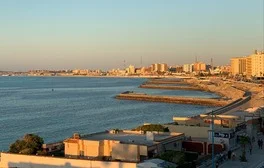
Mediterranean Beaches: Marsa Matruh's appeal lies in stunning Mediterranean coastline - turquoise water, white sand, limestone rock formations creating protected bays. Agiba Beach most famous - dramatic cliffs surround perfect crescent bay, crystal-clear water. Accessible by steps carved in cliff. Popular summer weekends - arrive early. Entrance 20-30 EGP. Cleopatra's Beach (Cleopatra's Bath) features natural rock pools where legend claims Cleopatra bathed. Rock formations create sheltered swimming with calm water. Gharam Beach ("Love Beach"), Rommel Beach, Alam El Rum Beach extend along coast. Water exceptionally clear compared to polluted Alexandria. Summer (June-August) peak season - Egyptian families vacation escaping Cairo/Alexandria heat. Beaches less developed than Sharm el-Sheikh or Hurghada - more authentic Egyptian experience.
Rommel's Cave WWII Museum: WWII North Africa Campaign fought intensely around Marsa Matruh and nearby El Alamein. German Field Marshal Erwin Rommel ("Desert Fox") used cave overlooking Marsa Matruh harbor as command post 1942. Cave now museum displaying WWII artifacts - weapons, uniforms, maps, photographs documenting desert warfare. Rommel directed Afrika Korps against British 8th Army from this position before retreating after Second Battle of El Alamein. Museum modest but historically significant - standing in actual cave where Rommel planned operations gives tangible connection to WWII history. Entrance 20 EGP. Nearby Commonwealth War Cemetery contains Allied soldiers' graves. Views from cave overlook harbor, city, Mediterranean - understanding strategic importance of coastal position. WWII enthusiasts find Marsa Matruh area pilgrimage site - landscape still littered with rusting tanks, bunkers, fortifications in desert.
El Alamein Battlefield: 150km east lies El Alamein - site of decisive WWII battle October-November 1942. British under Montgomery defeated Rommel's Afrika Korps, turning tide in North Africa, preventing Axis access to Suez Canal and Middle East oil. Battle involved 500,000+ troops, thousands of tanks, aircraft. Commonwealth War Cemetery contains 7,367 graves (British, Australian, New Zealand, South African, Indian troops). German cemetery has 4,280 graves. Italian cemetery commemorates 4,800 soldiers. El Alamein Military Museum displays tanks, artillery, aircraft, uniforms, detailed battle dioramas. Desert surroundings preserved - visitors drive through actual battlefield seeing trenches, gun positions, cleared minefields. Tel el-Eisa Hill, Ruweisat Ridge key terrain. Day trip from Marsa Matruh (150km, 2 hours) or stopover driving Alexandria-Marsa Matruh. Essential for WWII history understanding - North Africa campaign often overshadowed by European theater but equally decisive strategically.
Siwa Oasis Desert Sanctuary: 300km south into Western Desert lies Siwa Oasis - remote desert sanctuary with natural springs, date palm groves, Berber culture. Shali Fortress (mud-salt fortified town ruins), Cleopatra's Bath (spring-fed stone pool), Oracle Temple of Amun (Alexander Great visited 331 BC), Siwa House Museum showcase unique culture isolated for millennia. Desert safaris explore Great Sand Sea dunes, fossil hunting, camping under stars. Siwa remained largely cut off until 20th century - Berber Siwi language still spoken, traditional customs preserved. Women often veiled, conservative culture. Accommodation ranges from budget (100-200 EGP) to eco-lodges (500+ EGP). Journey from Marsa Matruh requires full day (4-5 hours each way, poor roads) or multi-day trip. 4x4 vehicle essential. Organized tours from Marsa Matruh available 800-1500 EGP including transport, guide. Siwa represents Egypt's desert heritage - oasis life, Berber traditions, stunning scenery contrasting dramatically with Mediterranean coast.
Egyptian Mediterranean Culture: Marsa Matruh differs from Red Sea resorts (Sharm, Hurghada) - less international tourism, more domestic Egyptian holidaymakers. Summer season (June-September) sees Cairo/Alexandria families escaping heat, crowded beaches, traditional Egyptian beach culture. Islamic modesty evident - many women swim fully clothed, separate beach sections sometimes. Foreign tourists minority. Advantages: authentic Egyptian experience, lower prices, friendlier interactions. Disadvantages: less English spoken, fewer facilities, more conservative atmosphere. Accommodation ranges from budget hotels (200-400 EGP) to resorts (800-2000 EGP). Quality variable - beach resorts better than city hotels. Food predominantly Egyptian - fresh fish, mezze, rice, bread. Few international restaurants. Alcohol limited - some hotels have bars but much less available than tourist areas. City itself unremarkable - low-rise buildings, dusty streets, small corniche. Beach proximity and WWII history main attractions.
Bedouin Heritage: Western Desert surrounding Marsa Matruh home to Bedouin tribes maintaining nomadic/semi-nomadic lifestyle. Bedouin hospitality, tea ceremonies, traditional crafts (weaving, jewelry) visible in markets. Desert safaris offer Bedouin encounters - sharing meals, learning customs, staying in camps. Bedouin knowledge of desert navigation, survival skills, oral traditions connects to region's ancient past. Engagement with Bedouin culture adds depth to coastal beach vacation - understanding harsh desert environment, adaptation, resilience.
Practical Information: Small city (200,000 population) with seasonal tourism focus. Egyptian Pound currency (EGP, approximately 31 EGP = €1). ATMs limited - bring cash. English minimal except tourist hotels. Arabic essential for navigation. Very safe - low crime, friendly locals. Conservative dress recommended (shoulders/knees covered outside beach areas). Ramadan affects restaurant hours, alcohol availability. Best season: May-June, September-October (warm but not scorching, fewer crowds). July-August very hot (35-40°C), crowded with Egyptian tourists. Winter (December-February) mild (15-20°C) but too cool for swimming. Allow 2-3 days beaches and Rommel's Cave, 4-5 days adding El Alamein, full week including Siwa Oasis expedition. Combine with Alexandria (250km, 3 hours) for broader Egyptian Mediterranean experience. Marsa Matruh offers authentic Egyptian beach holiday, WWII history pilgrimage, desert adventure launching point - less polished than Red Sea resorts but more culturally genuine, historically significant, and beautifully situated on Egypt's turquoise Mediterranean coast.