Cancun Airport to Tulum Transfer Service
Journey to bohemian paradise! Our professional Cancun Airport to Tulum transfer service provides direct, comfortable transportation from Cancun International to the Riviera Maya's most Instagram-famous destination, where ancient Maya ruins perch dramatically on Caribbean cliffs overlooking turquoise waters, pristine white sand beaches stretch for kilometers, spectacular cenotes offer freshwater swimming in limestone sinkholes, trendy beach clubs and eco-chic boutique hotels line the coast, vibrant town center provides authentic Mexican atmosphere, and bohemian sophistication meets natural beauty creating Mexico's hottest beach destination.
Why Choose Our Cancun Airport to Tulum Taxi Service?
Tulum combines spectacular ancient Maya ruins, pristine Caribbean beaches, and bohemian sophistication creating the Riviera Maya's most coveted destination. The UNESCO-listed archaeological zone features the only Maya coastal ruins, dramatically perched on 12-meter limestone cliffs overlooking turquoise Caribbean waters creating Mexico's most photographed archaeological site. The ancient walled city, flourishing 1200-1450 CE, showcases El Castillo (The Castle) temple, Temple of the Frescoes with original murals, and Temple of the Descending God. Below the ruins, a beautiful beach provides swimming in the shadow of ancient temples. The hotel zone stretches 10 kilometers south along the coast featuring eco-chic boutique hotels, trendy beach clubs including Papaya Playa Project and Nomade, yoga retreats, organic restaurants, and bohemian atmosphere attracting international travelers. Tulum Pueblo (town center) offers authentic Mexican restaurants, shops, and budget accommodations. Spectacular cenotes within short distances include Gran Cenote, Dos Ojos, and Calavera. Biosphere Reserve Sian Ka'an protects pristine coastal ecosystems just south. Our Cancun Airport to Tulum taxi service delivers you to this extraordinary destination in just 81 minutes.
Premium Service Features:
- Meet & Greet Service: Your driver will be waiting at arrivals with a personalized name sign
- Comfortable Vehicles: Modern, air-conditioned vehicles perfect for the Riviera Maya journey
- Luggage Assistance: Professional handling of all your bags and beach/yoga equipment
- Professional Drivers: Experienced with the Cancun-Tulum coastal route
- All-Weather Service: Reliable transfers in all conditions year-round
- 24/7 Customer Support: Multilingual support team available whenever you need assistance
- Child Safety Seats: Available upon request at no extra charge
- English-Speaking Drivers: Clear communication throughout your journey
Other Transport Options from Cancun Airport to Tulum
For this southern Riviera Maya journey, alternatives exist but with drawbacks:
- ADO Bus: First-class buses operate frequently from Cancun Airport to Tulum for approximately 350-450 MXN (18-23 USD). Journey takes 2-2.5 hours with stops in Playa del Carmen. Buses drop at Tulum town center requiring additional taxis (150-300 MXN) to beach hotels 5-10km away. Limited luggage space during peak times.
- Shared Shuttles: Budget colectivos charge 250-350 MXN (13-18 USD) per person but wait to fill all seats, make multiple stops extending journey to 2.5+ hours, and drop only at town center not beach hotels.
- Rental Car: The 113km drive via Highway 307 is straightforward, but Tulum's popularity creates parking challenges especially at beach hotels and ruins. Many eco-hotels promote car-free ethos preferring bicycles.
- Taxi: Standard airport taxis charge 2,000-2,500 MXN (105-130 USD) for this distance, but many drivers are unfamiliar with specific beach hotel locations requiring navigation assistance.
Our pre-booked private transfer offers transparent fixed pricing, immediate departure, and direct delivery to your specific Tulum accommodation whether in town, beach zone, or nearby areas.
About Tulum
Tulum originated as a Maya seaport called Zamá (City of Dawn) flourishing 1200-1450 CE during the Post-Classic period. The walled city served as a major trading hub, with canoes traveling Caribbean trade routes connecting Maya cities. Spanish conquistadors first encountered Tulum in 1518 when Juan de Grijalva's expedition observed the clifftop temples. Unlike many inland Maya cities abandoned centuries earlier, Tulum remained inhabited when Spanish arrived. The site was finally abandoned by 1544, likely due to Spanish diseases. The name "Tulum" (wall or fence in Yucatec Maya) was applied by later explorers referencing the defensive walls surrounding the city center.
The archaeological zone occupies a spectacular clifftop setting creating Mexico's most photogenic ancient ruins. El Castillo (The Castle), the largest structure, served as lighthouse – a niche above the doorway held torches visible from sea, guiding canoes through the reef barrier. The Temple of the Frescoes features well-preserved murals depicting Maya deities including the rain god Chaac and the descending god (possibly bee god). The Temple of the Descending God displays a distinctive diving figure carved above the doorway. The site opens 8 AM-5 PM with admission approximately 90 MXN. Arrive early (8-9 AM) to avoid heat and crowds. A beautiful beach below the ruins accessed via wooden stairs provides Caribbean swimming with temple backdrop.
Tulum Beach Zone (Zona Hotelera) extends approximately 10 kilometers south along the coast from the ruins, featuring boutique eco-hotels, trendy beach clubs, and bohemian establishments. Unlike Cancun's mega-resorts, Tulum emphasizes sustainable low-rise construction, often without air conditioning, using solar power and compostable toilets. Properties range from rustic cabañas to luxury eco-resorts. Papaya Playa Project pioneered the beach club concept combining daybeds, organic restaurants, and electronic music DJs. Azulik offers adults-only luxury treehouse-style suites. Nomade and Habitas provide yoga, wellness, and party scenes. Prices skew high – beachfront accommodations typically 200-500 USD nightly.
Tulum Pueblo (downtown) sits 5 kilometers inland along Highway 307. The town provides budget accommodations (hostels, guesthouses), authentic Mexican restaurants, local markets, and services. The main drag, Avenida Tulum, features shops, restaurants, and ADO bus terminal. Bicycles are the preferred transport around town and to beaches. Many beach hotels offer bicycle rentals or arrange town shuttles. The separation between town and beach creates two distinct experiences – authentic Mexican town versus international bohemian beach scene.
Cenotes near Tulum offer spectacular freshwater swimming. Gran Cenote, 4 kilometers from town, features open and cave sections with excellent visibility for snorkeling among stalactites and freshwater turtles. Dos Ojos, 15 kilometers north, provides cavern diving for certified divers. Cenote Calavera (Skull Cenote) offers cliff jumping. Entrance fees typically 200-350 MXN. Sian Ka'an Biosphere Reserve, beginning just south of Tulum, protects 1.3 million acres of pristine coastal ecosystems including mangroves, tropical forest, and Caribbean reefs. Boat tours explore the reserve spotting manatees, dolphins, sea turtles, and diverse birdlife.
Important Transfer Information
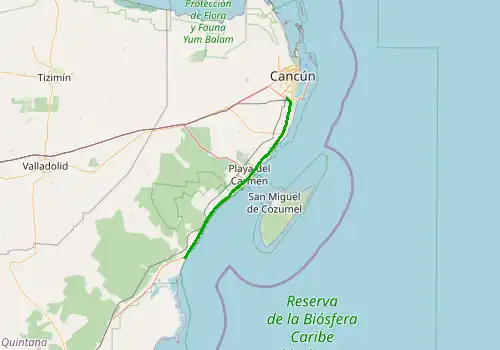
Distance: The journey from Cancun International Airport to Tulum covers approximately 113 kilometers down the Riviera Maya coast.
Journey Time: Expect approximately 1 hour and 21 minutes (81 minutes) under normal conditions. The coastal route: 75-90 minutes typical, 90-120 minutes when passing through Playa del Carmen during peak afternoon hours (2-5 PM) or high season weekends (December-April).
Route: The transfer follows Highway 307 south from Cancun Airport through Puerto Morelos, Playa del Carmen, and Akumal to Tulum. The route offers occasional Caribbean glimpses.
Accommodation Location: When booking your transfer, specify if staying in Tulum Pueblo (town center, 5km inland), Beach Zone north (near ruins), Beach Zone central (main beach hotels), Beach Zone south (toward Sian Ka'an), or other areas. Beach hotels require specific names as no street addresses exist along the coastal road.
Archaeological Zone Hours: Tulum ruins open 8 AM-5 PM (last entry 4 PM). Optimal visiting is early morning (8-10 AM) before heat and tour bus crowds. Entrance approximately 90 MXN plus parking if arriving by car.
Beach Zone Access: The coastal road (Carretera Boca Paila) connecting beach hotels is bumpy and poorly maintained. Hotels are spaced along 10+ kilometers requiring vehicles or bicycles for movement. Many hotels offer bicycle rentals as primary transport.
Sustainable Tourism: Tulum promotes eco-conscious tourism. Many hotels use solar power, compostable toilets, and minimal air conditioning. Bring biodegradable sunscreen (regular sunscreen prohibited in cenotes and marine areas). Avoid single-use plastics.
Peak Season: December-April brings maximum crowds and rates. Tulum has become extremely popular creating beach overcrowding. Book accommodations and transfers well in advance during peak season.
Luggage: Standard vehicles accommodate vacation luggage plus yoga mats or sports equipment for the journey to Tulum.
Book Your Transfer Now
Discover bohemian Caribbean paradise! Secure your comfortable journey from Cancun Airport to Tulum with JamTransfer. With transparent pricing, experienced drivers who navigate beach zone and town areas expertly, and direct delivery in just 81 minutes, we ensure you arrive at the Riviera Maya's most beautiful destination ready to explore clifftop Maya ruins, relax at trendy beach clubs, swim in spectacular cenotes, and experience the unique blend of ancient heritage, natural beauty, and bohemian sophistication that makes Tulum unforgettable.
Looking for transfers to other destinations? Visit JamTransfer.com for transfers throughout the Riviera Maya.
Frequently Asked Questions
· If a transfer is canceled less than 36 hours prior to a transfer time, we will keep the prepaid amount and a refund will not be processed
· The refund process will not be executed for cancellations received less than 36 hours before the scheduled transfer time. In these situations, we will email you a cancellation note that can be used in order to settle the costs from your tour operator, airline, or travel insurance company
· If a flight is delayed for more than an hour, we would need to check our availability first
· Please, keep in mind if we are unable to complete a transfer in which a flight is delayed for more than an hour, Jam Transfer is not responsible if a transfer was not completed and will act in accordance with our Terms and Conditions