Bastia Airport Transfer Options: Your Gateway to Corsica's Island Paradise
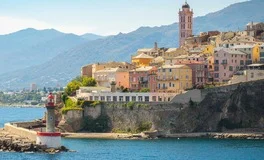
Bastia-Poretta Airport is the main gateway to northern Corsica, serving as the island's busiest airport and welcoming visitors to the "Island of Beauty" (Île de Beauté). This modern regional airport provides access to Corsica's stunning diversity: pristine beaches with turquoise Mediterranean waters, dramatic mountain scenery reaching over 2,700 meters, charming coastal towns, authentic hilltop villages, and a unique blend of French and Italian culture. Located approximately 20 kilometers south of Bastia city, the airport offers excellent connections to the northern coast's beautiful beaches including Saint-Florent, L'Île-Rousse, and Calvi, the spectacular Cap Corse peninsula, the famous Calanques de Piana, and inland mountain villages preserving ancient Corsican traditions.
Popular Transfer Routes from Bastia Airport
Choose from our most popular transfer destinations:
Private transfers provide the ultimate convenience and comfort for traveling from Bastia Airport to your destination in Corsica. Your professional driver will meet you at arrivals with a personalized sign, assist with your luggage and beach equipment, and transport you directly to your hotel, villa, or resort in a modern, comfortable vehicle. Our Bastia airport taxi service drivers are experienced with Corsica's winding mountain roads, familiar with both coastal and inland destinations, and can share local knowledge about this unique island's hidden treasures.
- Direct door-to-door service to any destination
- No waiting or shared stops
- Professional English and French-speaking drivers
- Fixed, transparent pricing with no hidden fees
- Available 24/7 throughout the year
- Air-conditioned comfort essential for Mediterranean summer
- Child seats and special requirements accommodated
- Ample space for beach equipment and luggage
- Drivers experienced with Corsica's challenging mountain roads
- Luxury vehicles available (Premium and First Class)
- Local Corsican knowledge and insider recommendations
- Essential for reaching remote villages and beaches
- Premium service at higher cost than limited public transport
- Advance booking strongly recommended for summer season
- Night surcharges may apply (22:00-06:00 or 22:30-06:00)
JamTransfer specializes in premium Bastia airport to hotel taxi services, featuring a comprehensive fleet including Standard vehicles, Premium minivans for families with beach gear, and luxurious First Class options, perfect for visitors exploring Corsica's coastline, discovering mountain villages, or heading to famous destinations like Calvi, Saint-Florent, or Porto-Vecchio.
Bus services from Bastia Airport are very limited, typically operating only to Bastia city center. Public transport in Corsica is minimal compared to mainland France, making private transfers particularly valuable.
Service Details: A shuttle bus service operates between the airport and Bastia city center, taking approximately 30-40 minutes depending on traffic. However, frequency is limited (typically coordinated with some flight arrivals only), and service does not extend to coastal resorts or other destinations on the island.
- Most economical option to Bastia city center
- Direct connection to city when operating
- Suitable for ultra-budget travelers going only to Bastia
- Extremely limited frequency (not for all flights)
- No service to coastal resorts, villages, or other towns
- No service to Calvi, Saint-Florent, Porto-Vecchio, or most destinations
- Very limited or no evening service
- Subject to traffic delays
- Challenging with luggage and beach equipment
- Not suitable for groups
- May not operate off-season
- Corsica's limited public transport makes onward travel difficult
Train services in Corsica are scenic but very limited and impractical for most airport transfers. The Corsican railway (Chemins de Fer de la Corse) is a narrow-gauge line famous for beautiful mountain scenery but not designed for efficient transport.
Service Details: The nearest station to the airport is Casamozza, several kilometers away with no direct connection. The railway connects Bastia to Ajaccio via Corte (mountain route, 4+ hours) and Bastia to Calvi via L'Île-Rousse (coastal route, 3+ hours). Trains are slow, infrequent (2-4 per day), and stations are often far from town centers or beaches.
- Spectacular mountain and coastal scenery
- Authentic Corsican experience
- Comfortable for sightseeing journeys
- Unique narrow-gauge railway experience
- NO direct connection from airport to any station
- Extremely slow (Bastia-Ajaccio: 4+ hours for 150km)
- Very limited frequency (2-4 trains daily)
- Stations often far from destinations
- Not practical for airport transfers
- Schedules don't align with flight times
- Challenging with luggage
- No service to most coastal resorts and beaches
- Better as a tourist experience than practical transport
Local taxis are available at Bastia Airport, but availability can be very limited, especially for long-distance transfers to southern destinations. During peak summer season (July-August), taxis can be scarce and very expensive.
- No advance booking required (when available)
- Direct transport to any destination
- Available for immediate departure when present
- Drivers know local routes
- Limited availability at this regional island airport
- Meter pricing can be extremely expensive for longer distances
- Very high rates for destinations like Porto-Vecchio, Calvi, or Ajaccio
- Scarce availability during summer peak season
- Not all drivers speak English
- Night, weekend, and holiday surcharges apply
- May refuse very long-distance trips (Porto-Vecchio: 140km)
- Supplement charges for luggage and airport pickup
- No price guarantee until arrival
- Corsica has some of France's highest taxi rates
- Risk of no taxis after late flights
For guaranteed service with fixed pricing, especially for destinations beyond Bastia, we strongly recommend booking your Bastia airport transfer online in advance through JamTransfer.
Car rental is available at Bastia Airport from major companies and is highly recommended for exploring Corsica. The island's limited public transport makes a car almost essential for discovering beaches, mountain villages, and scenic routes at your own pace.
- Essential for exploring Corsica independently
- Access to remote beaches and hidden calanques
- Can visit mountain villages and inland attractions
- Freedom to explore coastal roads (Mare e Monti)
- Necessary for reaching many best destinations
- Good for extended stays exploring multiple regions
- Can follow famous scenic routes (D81, D111)
- Visit GR20 trailheads and hiking areas
- Corsican roads are extremely winding and challenging
- Mountain roads are narrow with hairpin turns and no guardrails
- Driving times much longer than distances suggest (50km can take 2 hours)
- Some roads are single-lane with passing places
- Free-roaming animals (pigs, cows, goats) on roads
- Fuel stations scarce in rural areas
- Parking difficult in popular beach areas in summer
- Road conditions vary (some unpaved sections)
- Insurance important due to challenging roads
- Not recommended for nervous or inexperienced drivers
- High fuel costs on island
Hotel shuttles are offered by some larger hotels and resorts in Corsica, particularly luxury properties. However, availability is limited and typically restricted to properties relatively close to the airport.
- Sometimes included in resort packages
- Direct service to your hotel
- Drivers familiar with hotel locations
- Vehicles equipped for luggage
- May be complimentary for guests at luxury properties
- Very limited availability in Corsica
- Must be arranged well in advance
- Extremely limited departure times
- May not match your flight schedule
- Usually only available for hotels near Bastia
- Most hotels don't offer this service
- May charge €30-80+ per person depending on distance
- Subject to Corsica's challenging road conditions
Check with your hotel about shuttle availability. For guaranteed service to any Corsican destination, you can book your Bastia airport transfer online independently through JamTransfer.
Why Choose JamTransfer for Your Bastia Airport Transfer?
At JamTransfer.com, we understand that Corsica is unique, with challenging roads and limited public transport. Our airport transfer services are specifically designed for Corsican conditions:
- ✓ Personalized meet and greet service at arrivals hall
- ✓ Drivers with extensive experience on Corsican mountain roads
- ✓ Local Corsican knowledge and island expertise
- ✓ Air-conditioned vehicles essential for Mediterranean summer
- ✓ Transparent, fixed pricing - no surprises on meter
- ✓ 24/7 multilingual customer support
- ✓ Free cancellation up to 36 hours before departure
- ✓ Child safety seats available upon request
- ✓ Ample space for beach equipment and luggage
- ✓ Premium and First Class vehicles available
- ✓ Recommendations for hidden beaches, authentic restaurants, and local experiences
- ✓ Service to all Corsican destinations, including remote areas
Special Considerations for Bastia Airport Transfers
Bastia City: Corsica's economic capital and main port, Bastia combines Genoese heritage with vibrant Mediterranean atmosphere. The Terra Vecchia (Old Town) features narrow streets, the stunning Place Saint-Nicolas (one of France's largest squares), the old port with colorful buildings, the imposing Citadel with panoramic views, Baroque churches, and excellent restaurants serving Corsican specialties. Bastia is authentic, less touristy than Ajaccio, and offers genuine Corsican urban culture. The city is a major ferry port with connections to mainland France, Italy, and Elba.
Northern Corsica Coast: The coast north and west of Bastia offers some of the island's most beautiful beaches and towns. Saint-Florent is a charming port town nicknamed "the Saint-Tropez of Corsica," gateway to stunning Désert des Agriates beaches (Saleccia, Lotu) accessible by boat or 4x4. L'Île-Rousse is a relaxed resort with red granite rocks and market atmosphere. Calvi boasts a dramatic citadel, beautiful beaches, and vibrant nightlife. The coastline features turquoise waters, white sand beaches, and dramatic rocky coves.
Cap Corse Peninsula: The northernmost peninsula is one of Corsica's most spectacular regions, a 40km finger of land jutting into the Mediterranean. The coastal road (D80/D81) circles the cape, offering stunning sea views, Genoese watchtowers, tiny fishing villages like Erbalunga and Centuri (famous for lobster), vineyards producing unique Corsican wines, and dramatic mountain-meets-sea scenery. The drive around Cap Corse takes a full day (allow 4-6 hours minimum) due to winding roads, but rewards with breathtaking beauty.
Southern Corsica (from Bastia): While southern destinations like Porto-Vecchio (140km, 2-2.5 hours) and Bonifacio (160km, 2.5-3 hours) are more easily reached from Figari/Sud Corse Airport, they're accessible from Bastia via the scenic mountain route through Corte. Porto-Vecchio offers glamorous beaches (Palombaggia, Santa Giulia), while Bonifacio features spectacular white limestone cliffs and a stunning medieval citadel perched above the sea. These transfers require experienced drivers familiar with Corsican roads.
Mountain Interior: Corsica's rugged interior reaches 2,706m at Monte Cinto, with dramatic gorges, hilltop villages, and the famous GR20 hiking trail (Europe's toughest long-distance path). Corte is the historic capital in the island's heart, surrounded by spectacular mountain scenery. Authentic villages like Pigna, Sant'Antonino, and Nonza cling to mountainsides, preserving ancient Corsican traditions. The interior offers cooler temperatures in summer, spectacular scenery, and authentic culture.
West Coast Wonders: The west coast from Calvi to Ajaccio features some of Corsica's most dramatic scenery. The Calanques de Piana are UNESCO-listed red granite rock formations plunging into turquoise sea, accessible via the stunning D81 coastal road (one of Europe's most scenic drives, but challenging with narrow sections and hairpin turns). The Scandola Nature Reserve (UNESCO site) is accessible only by boat. Porto offers a natural harbor surrounded by eucalyptus forests and access to gorges.
Summer Season (June-September): Corsica experiences hot Mediterranean summers with temperatures regularly 28-35°C (82-95°F), occasionally reaching 40°C in inland valleys. July and August are peak months with French and Italian tourists filling beaches and hotels. Accommodation must be booked months in advance for peak summer. Beaches can be crowded at popular spots, but Corsica's rugged terrain ensures secluded beaches are always available for those willing to hike or drive remote roads. The Mediterranean is perfect for swimming June through October.
Corsican Identity and Culture: Corsica has a fierce independent identity, distinct from both France and Italy. The Corsican language (closely related to Italian) is widely spoken, especially in villages. Traditional polyphonic singing (paghjella) is a UNESCO cultural heritage. The island has unique customs, cuisine, and traditions preserved in mountain villages. Corsicans are proud of their heritage, and respect for local culture enhances your experience. The island was Genoese for centuries, explaining the Italian influence in architecture, cuisine, and language.
Corsican Cuisine: The island's cuisine is unique, emphasizing charcuterie (lonzu, coppa, figatellu), excellent cheeses (brocciu, fresh cheese made from sheep or goat milk), chestnut-based products (pulenta, flour, beer), wild boar (sanglier), seafood (especially lobster in Centuri), aziminu (fish soup), and herb-infused dishes using maquis plants. Corsican wines are distinctive, particularly reds from Patrimonio and whites from Cap Corse. The cuisine reflects mountain and sea traditions with Italian and French influences.
Maquis and Natural Beauty: Corsica's famous maquis (dense Mediterranean scrubland) covers much of the island, producing the distinctive aromatic scent that earned Corsica the nickname "the scented isle." The maquis includes rosemary, myrtle, lavender, and other herbs. The island's biodiversity is remarkable, with endemic species found nowhere else. Natural parks protect vast wilderness areas. The combination of mountains rising directly from the Mediterranean creates spectacular and varied landscapes within short distances.
Beaches and Water Activities: Corsica boasts some of the Mediterranean's most beautiful beaches with Caribbean-like turquoise water. Northern beaches (Saleccia, Lotu, Ostriconi) feature white sand and turquoise shallows. Eastern beaches (Erbalunga, Moriani) are easily accessible. Southern beaches (Palombaggia, Rondinara, Santa Giulia) are famously beautiful. Many beaches require hiking, boat access, or 4x4, ensuring they remain pristine. Water sports include diving (excellent visibility and marine life), kayaking, paddle boarding, and sailing. Some beaches have strong currents - always check local conditions.
Outdoor Adventures: Beyond beaches, Corsica is a paradise for outdoor enthusiasts. The GR20 is Europe's toughest long-distance hiking trail (180km across the island's spine, typically 15 days). Hundreds of other trails range from easy coastal walks to challenging mountain ascents. Canyoning in Corsican gorges is world-class (Richiusa, Bavella). Rock climbing, especially in Bavella needles. Horseback riding, particularly in the interior. Mountain biking on challenging terrain. The island offers outdoor activities year-round, with spring and autumn ideal for hiking.
Driving Times and Distances: Corsican distances are deceptive - short distances take much longer than expected due to winding mountain roads. From Bastia Airport: Bastia city (20km, 30 minutes), Saint-Florent (25km, 40 minutes), Calvi (90km, 1.5-2 hours), Corte (70km, 1.5 hours), Porto-Vecchio (140km, 2-2.5 hours), Ajaccio (150km, 2.5-3 hours via mountains or 3+ hours via coast). Always add buffer time, and don't plan multiple distant destinations in one day. The scenic routes require even more time - budget for stops to admire views.
Spring and Autumn: April-May and September-October offer ideal Corsican conditions: pleasant temperatures (20-28°C), fewer tourists, lower prices, wildflowers blooming in spring, still-warm sea in autumn, perfect hiking weather, and authentic experiences. The maquis blooms spectacularly in spring, scenting the entire island. Autumn brings chestnut harvest and traditional festivals. These seasons provide the best balance of weather, access to nature, and avoiding crowds.
Limited Services: Corsica is less developed than mainland France. Outside main towns, services can be limited: fewer ATMs (cash recommended in villages), limited mobile phone coverage in mountains, fuel stations scarce in rural areas (fill up in towns), limited restaurant hours (many close 14:00-19:00), shops with restricted hours and often closed Sundays. This authentic, less-commercialized character is part of Corsica's charm, but requires planning.
Night and Weekend Surcharges: Please note that night surcharges apply for transfers between 22:00-06:00 (Premium and First Class: +10%) or 22:30-06:00 (Standard: +15%). These surcharges reflect the additional considerations for night-time driving on Corsica's challenging roads. Weekend and holiday surcharges may apply for some routes during peak season.
Peak Season Planning: Advance booking is absolutely essential for July-August in Corsica. Accommodation books up 3-6 months ahead for peak summer. Ferry services to the island are also heavily booked (many visitors bring cars). Airport transfers should be booked well in advance to guarantee availability, as the island's limited transport infrastructure means few alternatives. For popular areas like Porto-Vecchio, Bonifacio, and Calvi during July-August, book everything as early as possible. Shoulder seasons (June, September) offer much better availability while maintaining excellent weather.
Frequently Asked Questions
· If a transfer is canceled less than 36 hours prior to a transfer time, we will keep the prepaid amount and a refund will not be processed
· The refund process will not be executed for cancellations received less than 36 hours before the scheduled transfer time. In these situations, we will email you a cancellation note that can be used in order to settle the costs from your tour operator, airline, or travel insurance company
· If a flight is delayed for more than an hour, we would need to check our availability first
· Please, keep in mind if we are unable to complete a transfer in which a flight is delayed for more than an hour, Jam Transfer is not responsible if a transfer was not completed and will act in accordance with our Terms and Conditions