Cancun Airport to Chichen Itza Transfer Service
Journey to ancient wonder! Our professional Cancun Airport to Chichen Itza transfer service provides direct, comfortable transportation from Cancun International to this UNESCO World Heritage archaeological site and New Seven Wonders of the World, where the iconic El Castillo pyramid demonstrates Maya astronomical genius through equinox shadow serpents, the Great Ball Court showcases the largest ancient Mesoamerican playing field, the Sacred Cenote reveals ritual sacrifice history, intricate stone carvings depict Maya cosmology, and 1,500 years of civilization create Mexico's most spectacular and visited ancient ruins.
Why Choose Our Cancun Airport to Chichen Itza Taxi Service?
Chichen Itza stands as the Yucatan Peninsula's most magnificent Maya archaeological site and Mexico's most visited ancient ruins, designated both UNESCO World Heritage Site (1988) and New Seven Wonders of the World (2007). The iconic El Castillo pyramid (Temple of Kukulcán) demonstrates extraordinary astronomical precision – during spring and autumn equinoxes, afternoon sun creates shadow patterns on the pyramid's northern staircase resembling a serpent descending from the temple. The structure's 91 steps on each of four sides plus the top platform total 365, matching the solar calendar. The Great Ball Court, largest in Mesoamerica at 168 meters long, features remarkable acoustics where claps echo seven times. The Sacred Cenote (Cenote Sagrado) served as ritual sacrifice site where archaeological dives recovered gold, jade, pottery, and human remains. The Temple of Warriors, Group of a Thousand Columns, Observatory (El Caracol), and numerous other structures showcase Maya architectural genius spanning 600-1200 CE. The site opens 8 AM-5 PM with optimal visiting early morning (8-10 AM) before heat and crowds peak. Our Cancun Airport to Chichen Itza taxi service delivers you to this ancient wonder in just over two hours.
Premium Service Features:
- Meet & Greet Service: Your driver will be waiting at arrivals with a personalized name sign
- Comfortable Vehicles: Modern, air-conditioned vehicles perfect for the cross-Yucatan journey
- Luggage Assistance: Professional handling of all your bags and belongings
- Professional Drivers: Experienced with the Cancun-Chichen Itza route through Yucatan
- All-Weather Service: Reliable transfers in all conditions year-round
- 24/7 Customer Support: Multilingual support team available whenever you need assistance
- Child Safety Seats: Available upon request at no extra charge
- English-Speaking Drivers: Clear communication throughout your journey
Other Transport Options from Cancun Airport to Chichen Itza
For this long inland journey, alternatives present challenges:
- Tour Buses: Numerous companies offer day trips from Cancun/Playa del Carmen to Chichen Itza but these typically don't pick up at the airport, require overnight stays before joining tours, involve large group schedules with limited time at ruins (2-3 hours), and include unwanted stops at tourist shops and restaurants.
- ADO Bus: First-class buses operate from Cancun (not airport) to Chichen Itza requiring you first reach Cancun's ADO terminal, then endure 3-4 hour bus journey arriving mid-day when heat and crowds peak. Return buses require careful schedule coordination or risk being stranded.
- Rental Car: The 195km drive via Highway 180D (toll road) is straightforward but involves navigating out of Cancun area, paying multiple tolls (approximately 400 MXN), finding parking at the archaeological site, and driving 4+ hours round-trip after long flights.
- Shared Shuttles: Budget operators offer shared vans but with very limited schedules, long waits for passenger collection, and group dynamics limiting flexibility at the ruins.
Our pre-booked private transfer offers the most practical direct transport with transparent pricing, immediate departure, flexible timing for optimal morning arrival, and direct delivery to the archaeological site entrance.
About Chichen Itza
Chichen Itza dominated the northern Yucatan Peninsula from approximately 600-1200 CE, reaching its zenith 900-1200 CE as one of the largest Maya cities. The name translates to "At the mouth of the well of the Itzá" referencing the nearby cenotes and the Itzá Maya people who controlled the city. The site demonstrates remarkable integration of Maya architectural traditions with influences from central Mexico, particularly Toltec culture. This synthesis created unique structures combining Maya astronomical precision with central Mexican iconography.
El Castillo (The Castle), properly called Temple of Kukulcán, stands 24 meters tall dominating the site. Built around 1000 CE, the pyramid's design embeds astronomical and calendrical knowledge. Each of the four staircases has 91 steps; adding the temple platform creates 365 total steps matching the solar year. The structure's 18 terraces represent the 18 months of the Maya calendar. During spring equinox (March 20-21) and autumn equinox (September 22-23), late afternoon sun creates triangular shadows on the pyramid's northern staircase forming seven triangles that, combined with the carved serpent head at the base, create the illusion of Kukulcán (the feathered serpent deity) descending the pyramid. Thousands gather to witness this phenomenon, though daily crowds now overwhelm the site during equinox periods.
The Great Ball Court measures 168 meters long and 70 meters wide, the largest ancient Mesoamerican ball court. Two parallel walls 8 meters high feature stone rings 6 meters above the ground through which players attempted to pass a rubber ball using only hips, knees, and elbows (no hands or feet). Carvings depict the game's ritual significance including decapitation scenes suggesting losers (or possibly winners – scholars debate this) were sacrificed. The court's acoustics amaze visitors – clapping at one end produces clear echoes at the opposite end 168 meters away, and normal conversation at one end carries clearly to the other.
The Sacred Cenote (Cenote Sagrado) sits 300 meters north of the main plaza connected by a stone sacbe (ceremonial road). This natural sinkhole measuring 60 meters in diameter served as pilgrimage and sacrifice site. Archaeological dredging operations 1904-1911 and SCUBA expeditions from the 1960s recovered gold objects, jade, pottery, wooden artifacts, copal incense, and skeletal remains indicating ritual sacrifices including children and adults. The cenote's murky water reaches 13-15 meters depth over thick mud deposits containing centuries of offerings.
El Caracol (The Snail, named for interior spiral staircase) served as astronomical observatory. Windows align with specific astronomical events including Venus's extreme positions. The Maya tracked Venus with extraordinary precision, important for agricultural and ceremonial calendars. The circular tower design, unusual in Maya architecture, suggests foreign influence possibly from central Mexican cultures. The structure demonstrates the Maya's advanced astronomical knowledge rivaling contemporary Old World civilizations.
Important Transfer Information
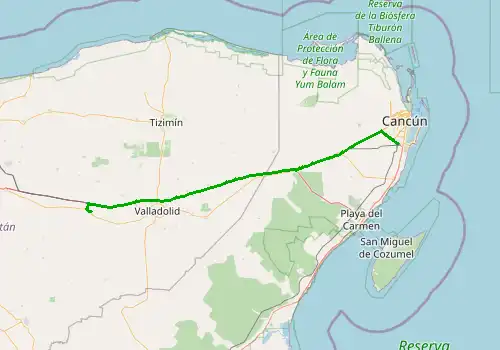
Distance: The journey from Cancun International Airport to Chichen Itza covers approximately 195 kilometers across the Yucatan Peninsula.
Journey Time: Expect approximately 2 hours and 4 minutes (124 minutes) under good conditions. The route uses toll highways: 2-2.5 hours typical, 2.5-3 hours when departing Cancun during morning rush hours or returning during afternoon heat when drivers reduce speed.
Route: The transfer follows Highway 180D (cuota/toll road) west from Cancun through Valladolid to Chichen Itza. Tolls approximately 400 MXN included in our pricing. The toll highway offers smooth, fast travel compared to the free highway (libre) which passes through numerous villages requiring dramatically longer journey times.
Rest Stops: For this 2+ hour journey, drivers offer comfort breaks at service plazas along the toll highway or in Valladolid (approximately 40km from Chichen Itza), a charming colonial town worth brief exploration.
Optimal Arrival Time: When booking your transfer, consider that ruins open 8 AM and heat intensifies after 11 AM. Yucatan inland temperatures reach 35-40°C (95-104°F) during summer. Early arrivals (8-10 AM) avoid both heat and massive tour bus crowds arriving 10 AM-1 PM.
Site Admission: Entrance costs approximately 610 MXN (combining state and federal fees, subject to change). Bring pesos as credit cards may not be accepted. Additional charges apply for professional cameras and video equipment.
What to Bring: Sun protection (hat, sunscreen, sunglasses), comfortable walking shoes, water (vendors inside site charge premium prices), light clothing covering shoulders and knees (recommended for sun protection). The site offers minimal shade.
Climbing Restrictions: Climbing El Castillo pyramid was prohibited in 2006 after tourist accidents. You can view but not climb the main pyramid. Some smaller structures allow access.
Round-Trip Service: We offer round-trip transfers. Typical visits last 2-4 hours. Coordinate return timing with your driver based on desired exploration duration.
Book Your Transfer Now
Witness ancient Maya genius! Secure your comfortable journey from Cancun Airport to Chichen Itza with JamTransfer. With transparent pricing including tolls, experienced drivers who navigate across the Yucatan expertly, and flexible timing for optimal morning arrivals, we ensure you arrive at this New Seven Wonders of the World site ready to explore El Castillo's astronomical precision, marvel at the Great Ball Court's acoustics, and experience the magnificent Maya civilization that created one of history's most extraordinary archaeological treasures.
Looking for transfers to other destinations? Visit JamTransfer.com for transfers throughout the Yucatan Peninsula.
Frequently Asked Questions
· If a transfer is canceled less than 36 hours prior to a transfer time, we will keep the prepaid amount and a refund will not be processed
· The refund process will not be executed for cancellations received less than 36 hours before the scheduled transfer time. In these situations, we will email you a cancellation note that can be used in order to settle the costs from your tour operator, airline, or travel insurance company
· If a flight is delayed for more than an hour, we would need to check our availability first
· Please, keep in mind if we are unable to complete a transfer in which a flight is delayed for more than an hour, Jam Transfer is not responsible if a transfer was not completed and will act in accordance with our Terms and Conditions